Construction delivery
Field coordination, plan interpretation, construction sequencing awareness, quantity tracking, contractor communication, and issue resolution.
I'm Patrick Booth, a construction and utility coordination professional connecting field realities, project schedules, stakeholders, and better operating systems.
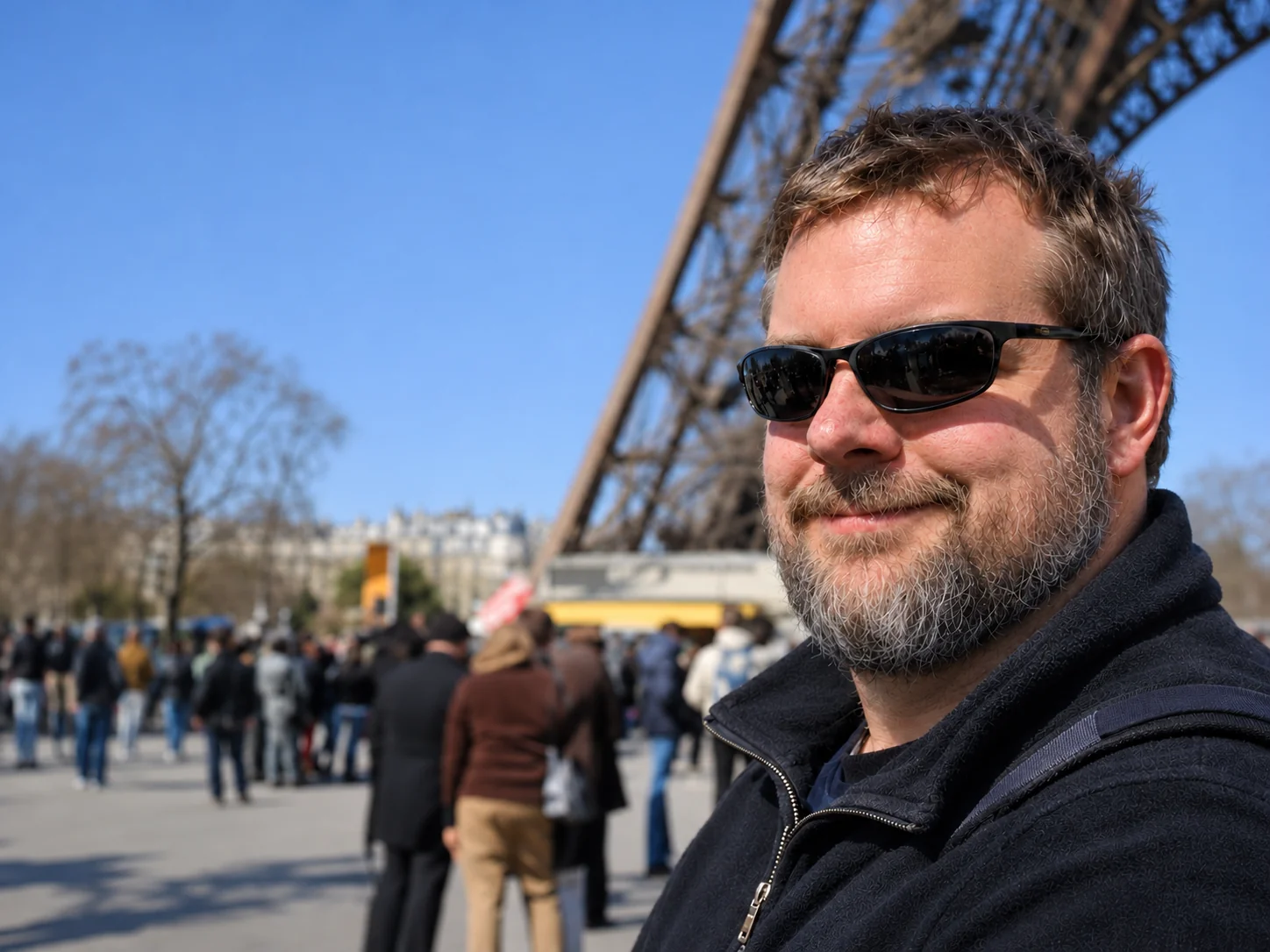
My career connects roadway and bridge construction, preconstruction utility coordination, telecommunications, security systems, and military electronics. Those experiences taught me to translate technical constraints into work plans that field crews, project teams, and stakeholders can act on.
I take a practical approach to project delivery: identify constraints early, document decisions clearly, keep stakeholders aligned, and build systems that make deadlines and responsibilities visible.
Hands-on construction oversight, utility coordination, telecommunications, technical operations, and systems work across multiple industries.
Field coordination, plan interpretation, construction sequencing awareness, quantity tracking, contractor communication, and issue resolution.
Stakeholder outreach, utility conflict tracking, relocation schedules, milestone monitoring, and INDOT coordination processes.
RFIs, change-order review, reporting, document management, schedule visibility, and organized project records.
Excel/VBA tools, Access databases, workflow automation, status dashboards, and repeatable reporting processes.
A practical career path across technical operations, outside-plant communications, field construction, and multi-project infrastructure coordination.
Led utility coordination across more than 50 concurrent transportation projects. Coordinated utility owners and project teams, tracked notices and verification, assessed conflicts, and organized work plans, deadlines, and project correspondence.
Oversaw day-to-day INDOT roadway and bridge construction assignments, coordinated inspectors and contractors, facilitated progress meetings, and managed field reporting, RFIs, change orders, quantities, and pay items.
Inspected roadway and bridge work against plans and specifications; documented activities, materials, methods, installed quantities, and field issues.
Installed, programmed, serviced, and troubleshot alarm, video surveillance, and access-control systems.
Provided regional electronics and technical support, bringing hardware troubleshooting and systems knowledge to field-oriented service work.
Technical liaison and network-support work involving customer connectivity, service troubleshooting, and internal systems. Also created a revised payroll-tracking process to reduce administrative friction.
Supported telecommunications outside-plant engineering, municipal permitting, and right-of-way coordination in the Seattle area.
Maintained and troubleshot communications and secure communications equipment, including encryption hardware, in a security-conscious operational environment.
Specific examples from construction, utility coordination, technology service, and operational improvement.
Maintained visibility across simultaneous transportation assignments, owner correspondence, INDOT notices, utility verifications, conflict assessment, work plans, and overlapping deadlines.
AMERICAN STRUCTUREPOINT · UTILITY COORDINATION
As an inspector and resident project representative, documented work against plans, followed quantities and pay items, and coordinated RFIs, change orders, inspection staff, contractors, and progress meetings.
SJCA · ROADWAY & BRIDGE CONSTRUCTION
Built and improved spreadsheets, automated correspondence preparation, reporting workflows, and tracking systems to reduce manual administrative work and make responsibilities easier to see.
CONSTRUCTION ADMINISTRATION & PROCESS DESIGN
Redesigned and implemented a payroll tracking workflow at Watch Communications, an early example of improving how an organization captures and uses operational data.
WATCH COMMUNICATIONS · TECHNICAL SUPPORT
Supported outside-plant telecommunications design coordination, municipal permitting, and right-of-way workflows for Seattle-area infrastructure projects.
SEFNCO COMMUNICATIONS · TELECOMMUNICATIONS
Military electronics work included component-level troubleshooting, secure communications equipment, and technical procedures; civilian work continued into networks, security systems, and electronics service.
U.S. NAVY & CIVILIAN TECHNICAL ROLES
A selection of assignments showing different coordination challenges, from expanded project scope and design milestones to construction administration and field troubleshooting.
Utility coordination for bridge work where facilities near structures, approaches, and construction limits required a focused design-stage review.
An added-scope corridor assignment requiring disciplined change tracking as the limits, affected facility owners, and correspondence evolved.
A roundabout project where the intersection footprint and utility occupancy needed to be considered together before roadway construction.
Drainage-structure improvements where excavation limits and the location of buried or overhead facilities drive early utility coordination.
Pavement rehabilitation work where utility coordination had to remain proportional to the actual construction footprint and its interfaces.
Preliminary Field Check-stage coordination, with emphasis on getting utility-owner input and open questions in front of the project team at the right time.
Bundled assignments that required individual project histories, contacts, deadlines, and conflicts without losing the common program view.
Bridge and drainage work requiring targeted utility verification around structural and waterway-adjacent improvement limits.
Progression from construction inspector to Resident Project Representative, working on active INDOT roadway and bridge construction rather than preconstruction design coordination.
Hands-on technical service experience across alarm, video surveillance, access control, and communications equipment.
When a construction team is managing projects through a patchwork of Excel trackers, Outlook reminders, and disconnected email threads, valuable time disappears into status checks and administrative rework.
That's why I developed my own Utility Coordination Command Center: a proprietary project-management system designed around the day-to-day realities of transportation and utility coordination. It brings projects, utility owners, milestone deadlines, conflicts, work plans, correspondence, assigned responsibilities, and reporting into one organized workspace.
I build tools around the way teams actually work, with the goal of giving project managers and coordinators an operational system they can use instead of maintaining yet another collection of spreadsheets. The interactive preview below lets you explore the approach using realistic fictional projects.
Explore my Command Center ↗Practical capabilities, organized by the problems I solve and the work products I deliver.
Field reporting, plan and specification review, quantity tracking, RFIs, change orders, contractor coordination, schedule reviews, and progress meetings.
Utility-owner outreach, verification requests, conflict tracking, relocation planning interfaces, notices, work plans, and milestone follow-through across multiple active assignments.
Excel/VBA, Microsoft Access, structured recordkeeping, data cleanup, correspondence workflows, and purpose-built project software to reduce manual status chasing.
Bluebeam Revu, Microsoft Project, Excel, Outlook/Teams, Google Earth/KMZ, document control, and organized project correspondence across field and office teams.
OSP infrastructure and municipal permitting exposure, communications support, security system installation and programming, and hardware/network troubleshooting.
Connecting agency staff, contractors, designers, inspectors, utility owners, and project management around decisions that need owners, deadlines, and traceable follow-up.
Selected education and manufacturer training certificates, organized by relevance to infrastructure project delivery and technical operations.
Credential earned April 2026, supporting transportation project utility coordination in Indiana.
Completed construction safety training.
Training in project management, integration, and scheduling.
LinkedIn Learning · April 17, 2020
Project management fundamentals
LinkedIn Learning · June 25, 2020
Schedule fundamentals and project planning
LinkedIn Learning · April 27, 2020
Integrating activities and project work
LinkedIn Learning · April 27, 2020
Scheduling software training
Previously held field inspection and materials testing credentials supporting INDOT roadway and bridge construction.
Construction inspection procedures, documentation, and compliance with plans and specifications.
INDOT construction materials and field quality-control procedures.
Concrete sampling and field testing fundamentals for construction quality verification.
Hot-mix asphalt construction materials, inspection, and testing practices.
Concrete construction, placement, and quality considerations for transportation work.
Construction stormwater practices, erosion prevention, and field compliance.
Temporary traffic control and work-zone safety principles.
Technical training in surveillance systems, networking, and access control.
Wisenet · Historical coursework
Network configuration for video surveillance
Wisenet · Historical coursework
Security considerations for connected devices
DMP · Historical coursework
Access-control panel training
Milestone · Historical coursework
IP surveillance system foundations
Open to the right project management, construction coordination, utility coordination, and operations-improvement opportunities in Indiana or remote.